
Research Themes
The programme spans the life and environmental sciences, bringing together research questions that range from molecules to ecosystems, from field sites to facilities, from experimental biology to modelling, data science and new technologies.
When you apply, you will be asked to indicate which of the themes outlined below align with your interests. However, these themes are not boxes and many ILESLA students undertake projects that are relevant to more than one theme. The descriptions provided here are starting points - ways of helping you, supervisors and partners understand whether and where your interests sit within the wider ILESLA landscape.
Climate and Earth
Advancing understanding of climate and earth systems
Research topics include, but are not limited to: Earth observation, natural resources, past/future climates, predictability of weather and climate, volcanology, seismology, global biogeochemical cycles, hazards, extreme events, terrestrial and freshwater landscapes, atmospheric science, oceanography, cryospheric science, water security, geoengineering
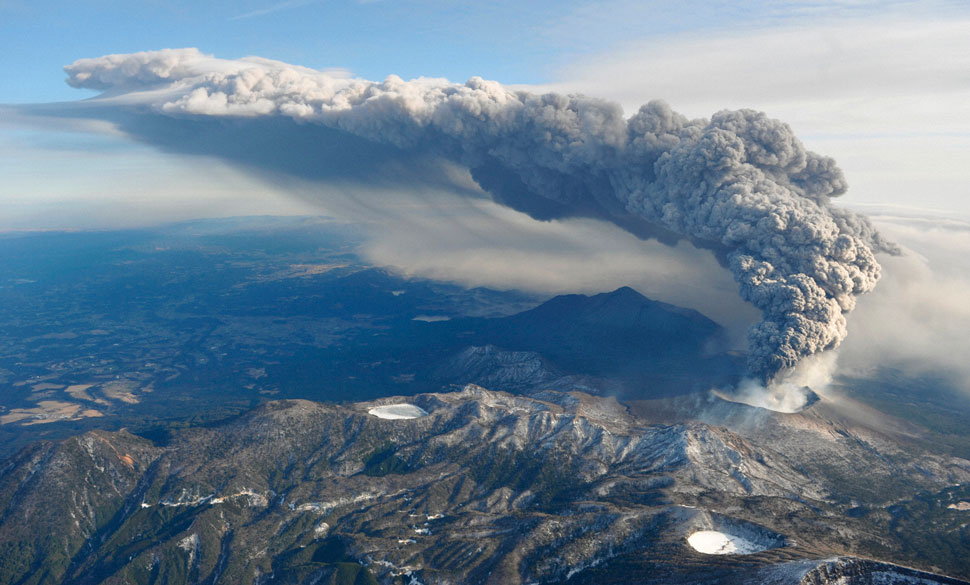
Photograph from USGS website
Biodiversity and Sustainability
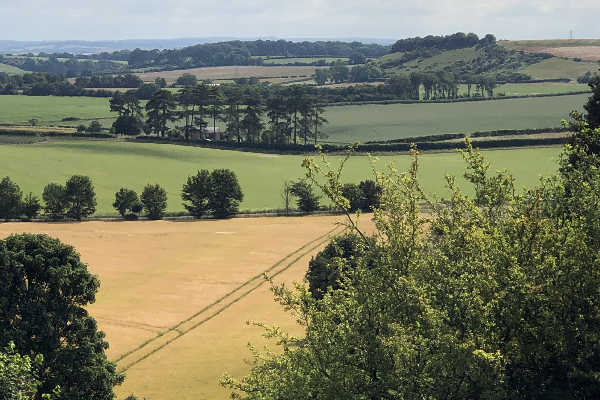
Sustainable approaches to support food, feed and energy security, manufacturing and biodiversity.
Research topics include, but are not limited to: crop science, agriculture, aquaculture, fisheries, food systems, forestry, nature recovery, systematics, climate resilience, biocultural heritage, life cycle assessment, supply chains, biomanufacturing, the circular economy, waste management, conservation, ecosystem services and nature-based solutions
Animal and Human Health
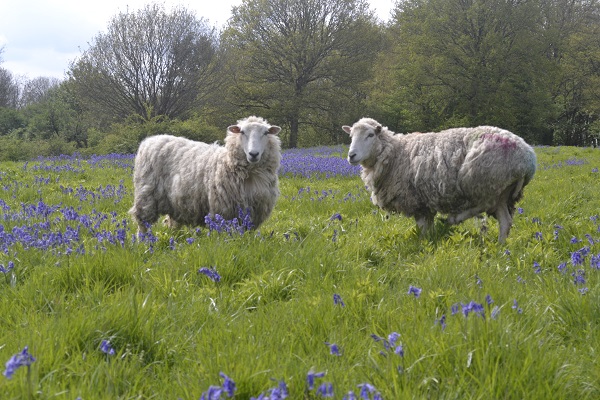
Innovative approaches to understand and support animal and human health.
Research topics include, but are not limited to: infectious diseases of animals, antimicrobial resistance, immunology, microbiology, microbiome science, healthy aging, pharmaceutical and vaccine production, regenerative medicine, diet and nutrition, diagnostics, sensors and improving environmental quality to benefit human and animal health
Please note that the programme does not support research focused on specific human diseases and human disease processes or abnormal conditions.
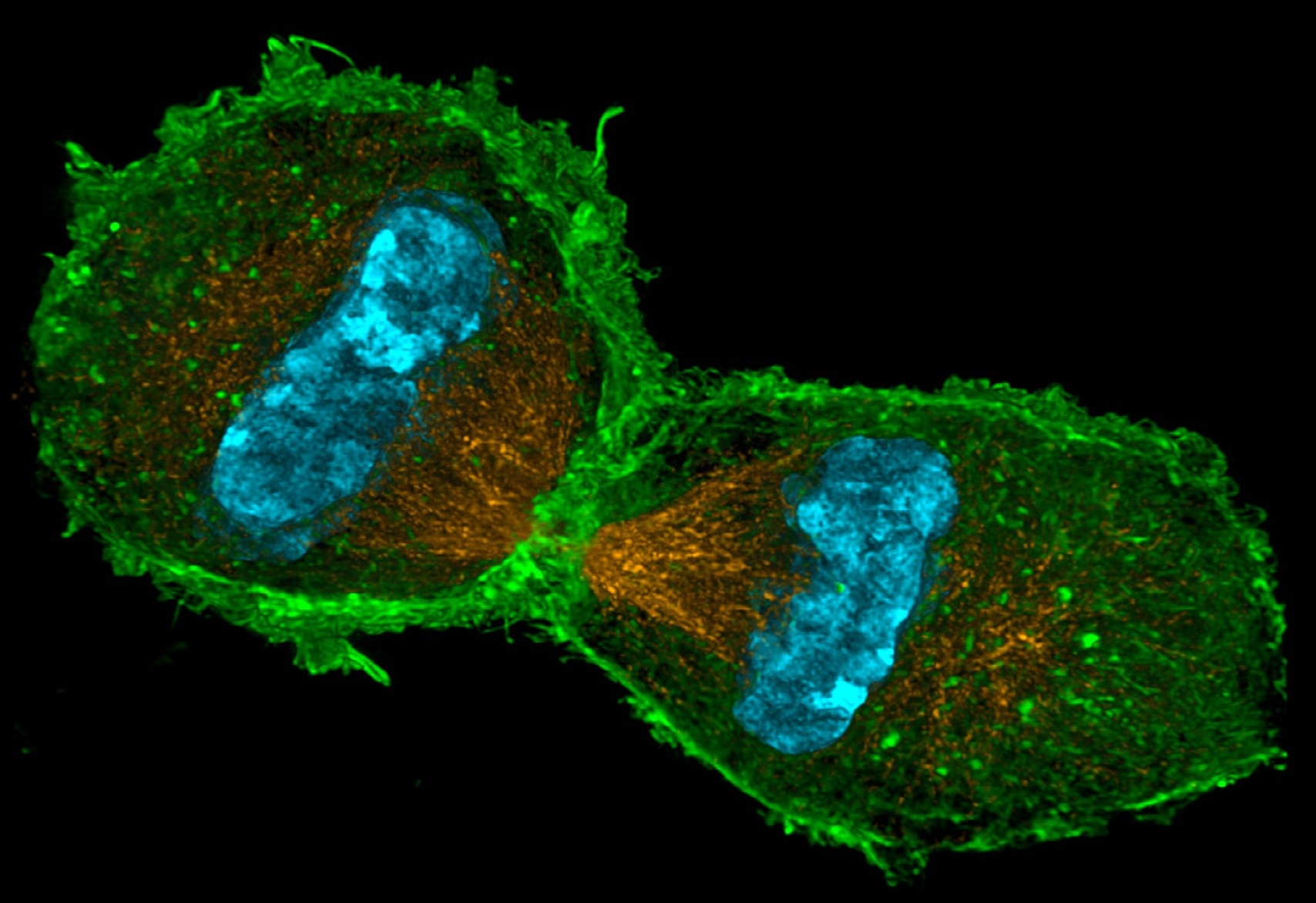
With thanks to Profesor Lothar Schermelleh for the generous use of this image.
Rules of Life
Frontier science addressing fundamental questions about biological organisms and ecosystems.
Research topics include, but are not limited to: integrative biology, developmental biology, physiology, evolutionary biology, paleobiology, physiology, biochemistry, cellular mechanisms, genetics, animal behaviour, structural biology, neuroscience, astrobiology, biophysics and ecological processes.
Transformative Technologies
Development of tools and technologies underpinning biological, archaeological and environmental research.
The majority of research projects undertaken by our students across all five themes involve 'transformative technologies', which include advanced imaging and data analysis techniques, the development and application of new and emerging methods and technologies, mathematical modelling, 'omic and systems approaches. Students in the “transformative technologies” theme usually conduct research that is primarily focused on the development of new scientific technologies, methods, software or modelling approaches; often working at the interface between life or environmental and physical sciences.
Research topics include, but are not limited to: systems approaches, computational biology, mathematical modelling, statistics, data science, artificial intelligence, machine learning, advanced experimental techniques, imaging, spectroscopy, synchrotron science, neutron science, cryo-EM, drones, earth observation techniques, engineering biology, bioinspired design, data assimilation, state estimation and advanced computational techniques.
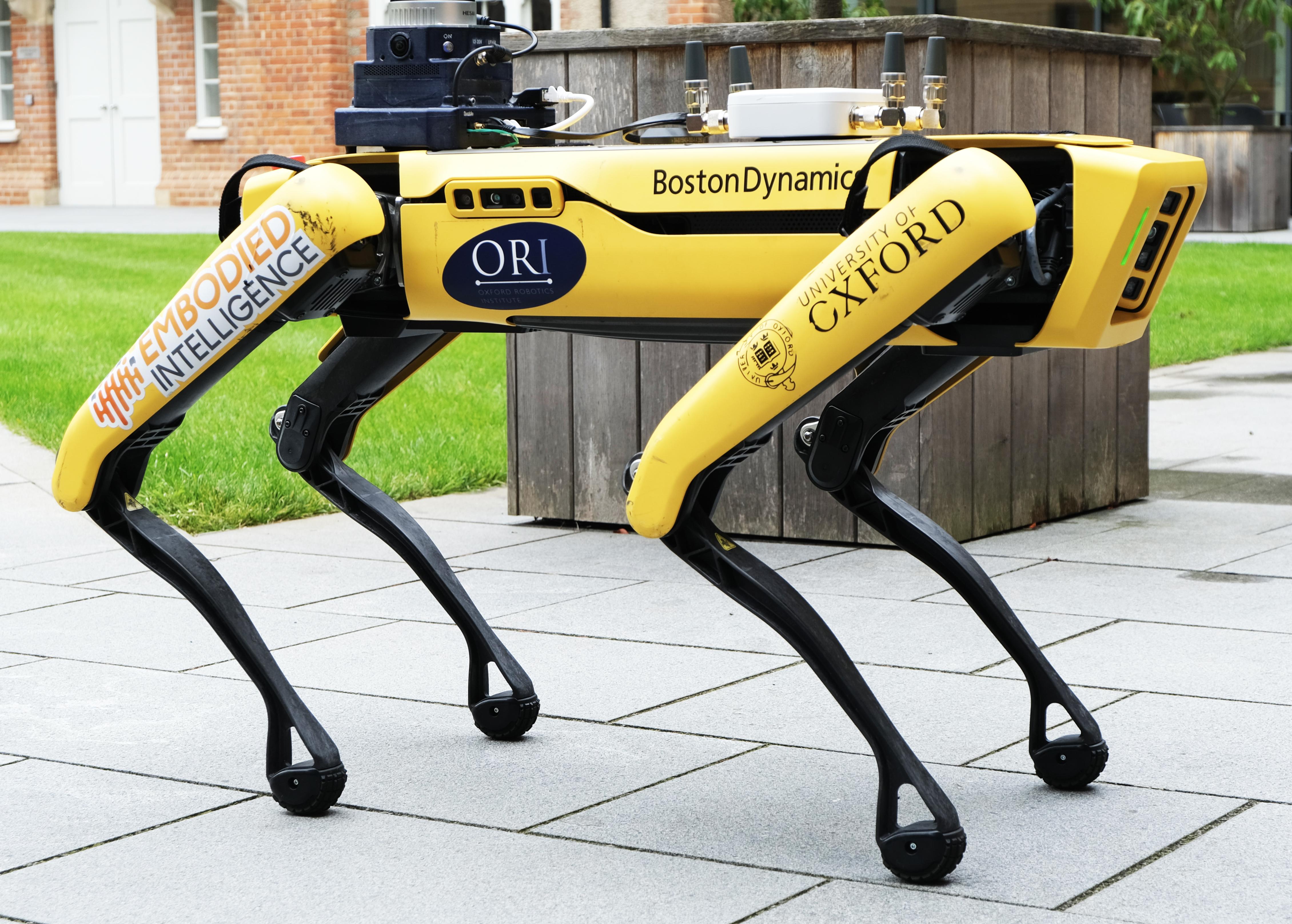
Projects in this theme must still fall at least 50% within NERC and/or BBSRC remit. ILESLA does not support work on the development of technological climate solutions such as energy generation or storage solutions to mitigate environmental degradation and climate change.