
ILESLA People
ILESLA is overseen by a Management Committee that brings together academic leadership, theme expertise, partner insight and professional services support. The committee helps maintain the programme’s academic quality, training environment, student experience and strategic direction.
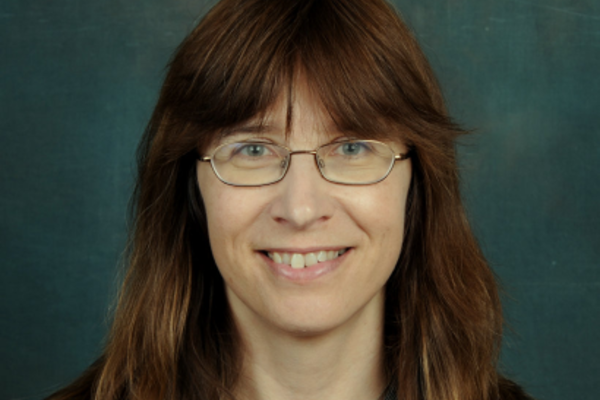
Gail Preston, Director, and Chair: Biodiversity & Sustainability, Animal & Human Health
I'm a biologist who studies how microorganisms cause plant disease, and the impact of environmental factors such as temperature and soil minerals on disease development. I collaborate with researchers at ISIS Neutron Source and Diamond Light Source to use neutrons and X-rays to study plant pathogens and their interactions with plant tissues. I am the co-Director of the DTC and the Director of both ILESLA and the UKRI-BBSRC-funded Oxford Interdisciplinary Bioscience Doctoral Training Partnership. I also chair the management group of the UNIQ+ programme at the University of Oxford, which helps talented undergraduates from under-represented groups, who would find continuing into postgraduate study a challenge for reasons other than their academic ability, consider postgraduate study. .

Jon Wade, Director & Chair: Climate & Earth
I'm interested in all aspects of planetary evolution, and in particular the role of iron in determining the initiation and persistence of life on Earth.
This interest has spanned experimental work on the segregation of our planet's metallic core (unarguably the biggest geological event in Earth history), to its possible role in keeping water on our planet's surface for timescales relevant to evolution. In fact, since it no longer rains on Mars, I'd quite like to answer the big question of 'why do I have wet feet today?'
I've worked in a variety of industries and have what might be termed an 'alternative route' into Academia. I have a keen interest in understanding the barriers to entry into Academia (and Oxford in particular) and means by which they may be minimised.
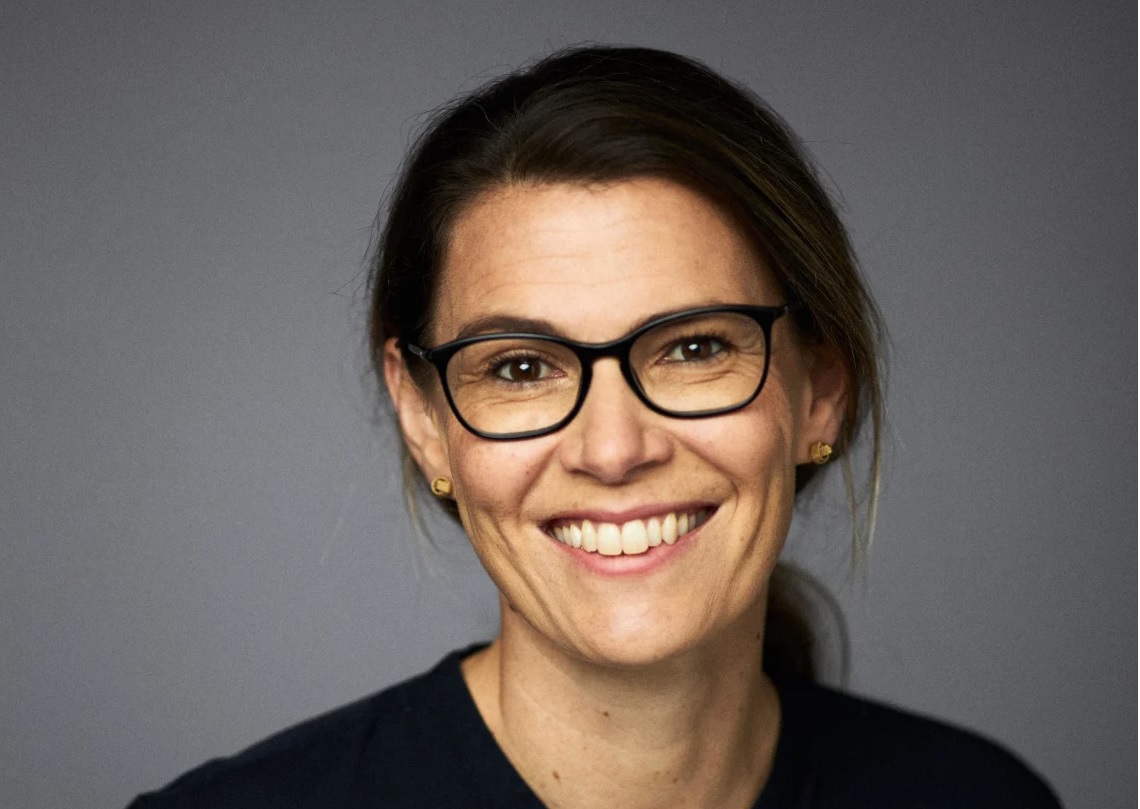
Esther Becker, Director and Chair: Animal & Human Health
Esther graduated from the University of Amsterdam cum laude with a MSc degree in Medical Biology in 2000. She then joined the Biomedical and Biological Sciences program at Harvard University, where she performed her PhD training with Azad Bonni. Her work as a graduate student has made significant contributions to our understanding of the specific signaling mechanisms that regulate cell death in the nervous system, particularly in the developing cerebellum. For her graduate studies, Esther was awarded a PhD Fellowship from the Boehringer Ingelheim Fonds and an Albert J. Ryan Foundation Fellowship.
After completing her PhD in 2006, Esther joined Kay Davies' group in the Department of Physiology, Anatomy and Genetics, having been awarded a Human Frontier Science Program Fellowship and later an OXION Training Fellowship. In 2010, Esther was awarded a prestigious Dorothy Hodgkin Research Fellowship from the Royal Society to establish her own research programme, focussing on the genetic and molecular underpinnings of cerebellar ataxia in mice and humans. Esther joined the Nuffield Department of Clinical Neurosciences in 2020. She is also Co-Director of the Oxford Interdisciplinary Bioscience Doctoral Training Partnership and Vice President and Official Fellow (Cellular Life) at Reuben College.
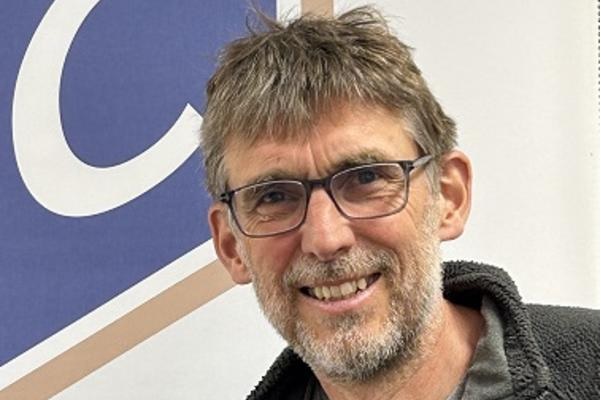
David Gavaghan, Director and Chair: Transformative Technologies
I received my undergraduate degree in Mathematics from Durham University in 1986. I then moved to the University of Oxford, where I was awarded an MSc in Numerical Analysis and Mathematical Modelling in 1987, followed by a DPhil in the Development of Parallel Numerical Algorithms in 1991. I have subsequently worked in the field of Mathematical and Computational Modelling, establishing and leading the Computational Biology Group, based principally within Oxford's Department of Computer Science. I was appointed Professor of Computational Biology in 2004. I have supervised thirty DPhil projects to completion, and I am currently involved with the supervision of a further six.
All of my research is interdisciplinary and involves application of mathematical and computational techniques to problems in biomedicine. My core research revolves around the modelling of physiological and biological systems and associated measurement techniques: current areas of focus include the mammalian heart, tumour development, and electrochemical measurement techniques.
Theme Leads
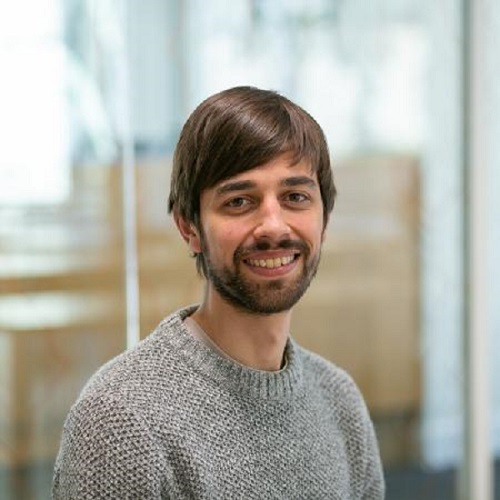
Open-IIC/Open2C connects ILESLA students and supervisors with industry partners interested in research at the frontiers of life and environmental science. The Open-IIC lead helps develop partner-linked opportunities, support appropriate project routes and connect industrial engagement with the wider cohort-based training model. Matthew Raybould as Co-director/Open-IIC Lead.
Matthew Raybould holds an MChem in Chemistry (2012-2016) and a DPhil in Immunoinformatics (2016-2020) from the University of Oxford. His DPhil was on the development of 3D-aware computational tools for antibody drug discovery and supervised by Professor Charlotte Deane alongside GSK, MedImmune, Roche, and UCB. Matthew was awarded an EPRSC Doctoral Prize Fellowship and a Boehringer Ingelheim Postdoctoral Fellowship to stay at Oxford and develop his work on immune receptor repertoire analysis applied to immunotherapy design. Since 2024, he has been funded by CEPI to apply immunoinformatics towards rational vaccine design. Matthew currently co-supervises Master's and Doctoral students on computational immunology projects across five MPLS and MSD departments (includes collaborations with AstraZeneca, Bayer, Immunocore, Recursion, and Roche).
Matthew co-directed the final year of the industry-linked SABS R3 Centre for Doctoral Training and is now overseeing the development of the Open-Industrial Innovation Consortium (Open-IIC), through which industry-partnered ILESLA projects can be offered.
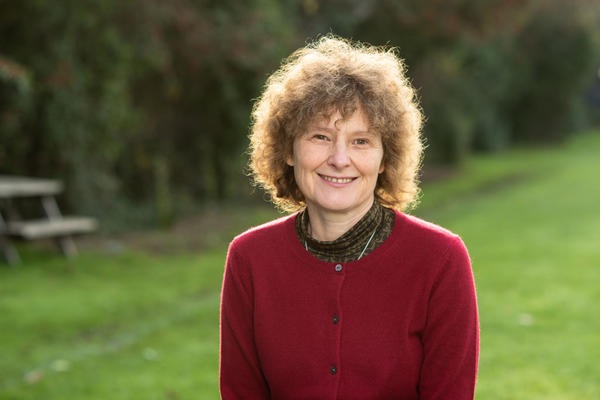
EJ Milner-Gulland, Theme Lead: Biodiversity and Sustainability
EJ is interested in understanding how social, ecological and behavioural factors interact and how they affect key issues in current conservation.
She was lead author on a 2021 paper outlining the 'Four Steps for the Earth' framework for implementing global commitments to tackling biodiversity loss - which the International Union for Conservation of Nature has voted to support and promote.
Her research group focuses on three themes: understanding resource user incentives, planning for effective and socially just conservation, and accounting for social-ecological system dynamics. They seek to understand and improve the effectiveness of different approaches to designing conservation interventions, in both land and marine ecosystems.
Professor Milner-Gulland also works on the illegal wildlife trade and is interested in designing, monitoring and evaluating conservation interventions in order to improve their effectiveness. She is particularly interested in the conservation ecology of the saiga antelope in Central Asia, and co-founded the Saiga Conservation Alliance in 2006 as well as the Conservation Optimism movement in 2016.
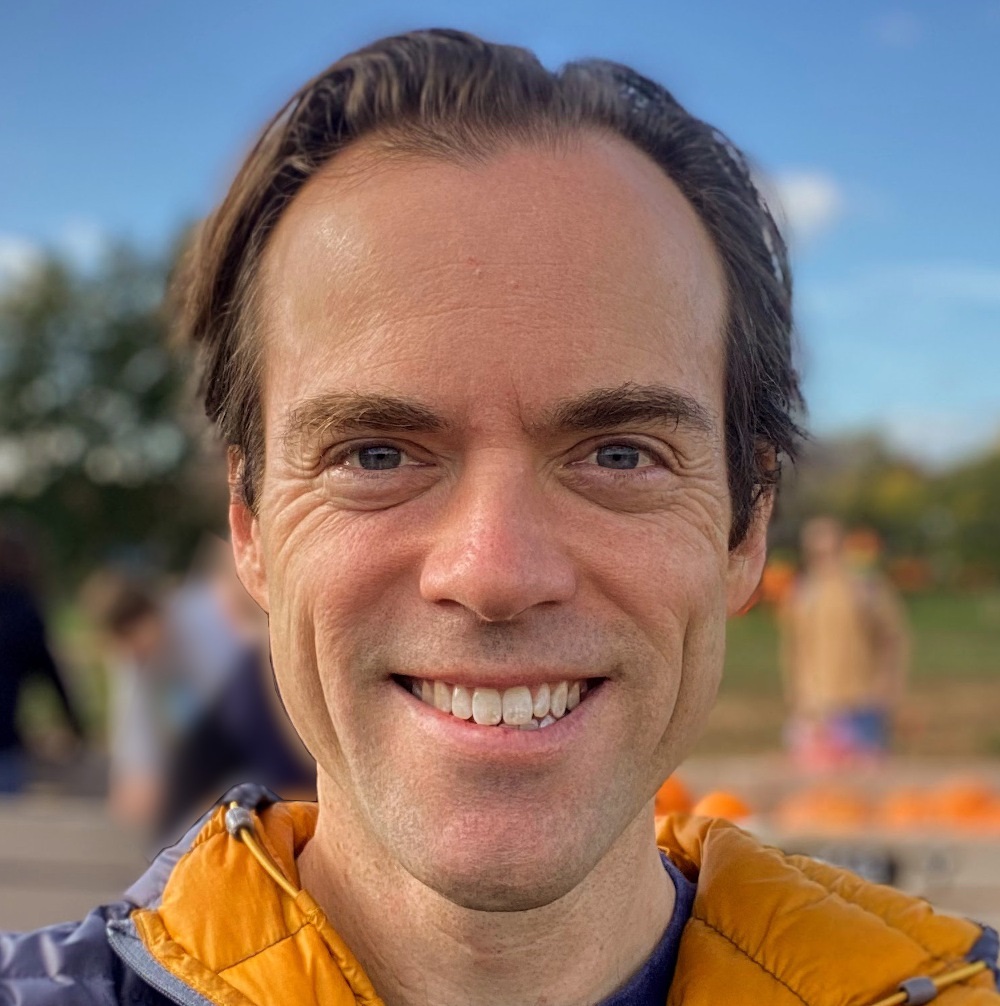
Martin Robinson, Theme Lead: Transformative Technologies
I am a Senior Research Software Engineer (RSE) in the Oxford RSE group, part of the Department of Computer Science at the University of Oxford.
I completed my PhD on "Mixing and Turbulence using Smoothed Particle Hydrodynamics" in the School of Mathematical Sciences at Monash University, Australia, under the supervision of Prof. Joseph Monaghan and Dr. Paul Cleary from the Computational Modelling group at CSIRO Mathematics. After this I became a Marie Curie Experienced Researcher, working on multiphase simulations of fluid-particle systems in the Multiscale Mechanics Group at the University of Twente. I then moved to the Oxford Centre for Collaborative Applied Mathematics (OCCAM) at the University of Oxford, working on multiscale reaction-diffusion modelling, before I ended up in in the Department of Computer Science at Oxford, first as part of the Computational Biology group and then, co-founder of the Oxford Research Software Engineering group.
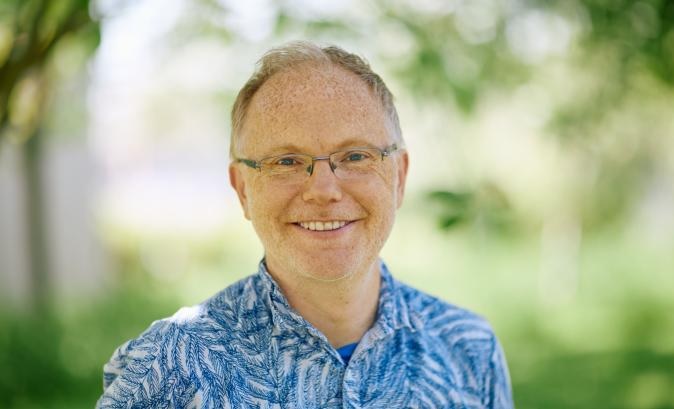
Mike Hough, Harwell Campus, Theme Lead: Transformative Technologies
I am Principal Beamline Scientist of the room-temperature in situ beamline VMXi at Diamond Light Source and Honorary Professor at the University of Essex. After an undergraduate degree in physics and PhD in structural biology, I worked at the Synchrotron Radiation Source at Daresbury laboratory and in several universities. I was an academic in the School of Life Sciences at the University of Essex from 2011 to 2021 before moving to Diamond.
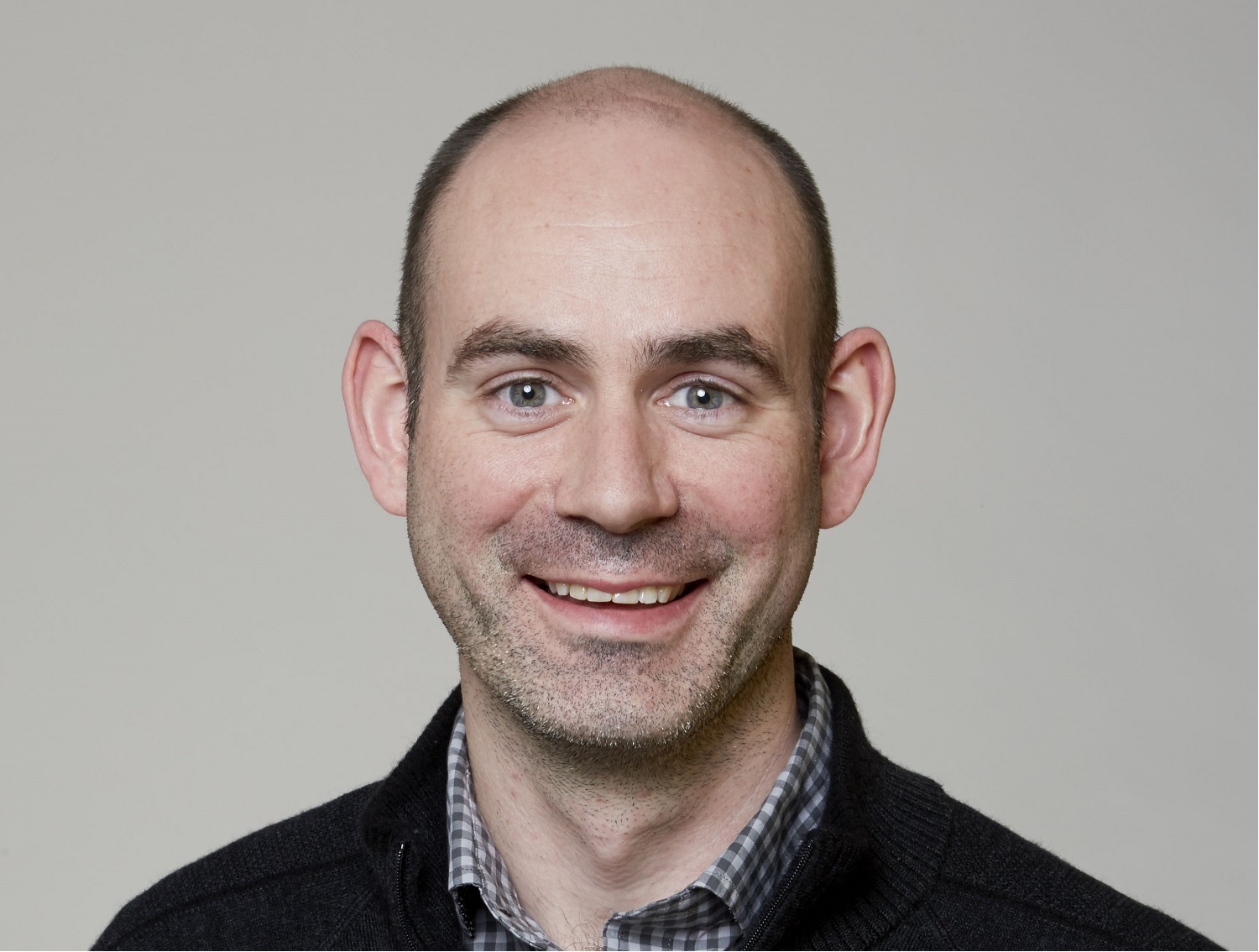
Trevor Sweeney, Pirbright, Theme Lead: Animal and Human Health
I established my lab in 2014 in the Division of Virology at the University of Cambridge after I was awarded a Marie Curie Fellowship and from 2016-2026 I was supported by a Sir Henry Dale Fellowship sponsored by the Wellcome Trust and Royal Society to study RNA virus replication, with a focus on Zika virus-host interactions. I joined The Pirbright Institute in 2021, where I lead the Viral Gene Expression group, focussing on the role of RNA structure and RNA-protein interactions in regulating viral replication.
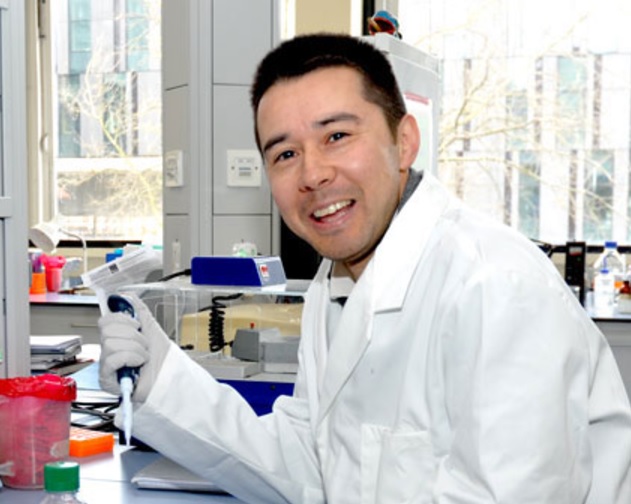
Andrew Jones, Oxford Brookes, Theme Lead: Rules of Life
I completed my Biochemistry undergraduate degree at Imperial College London in 1996. I was then awarded a PhD at the University of Leeds in 2000, studying acetylcholinesterase and nicotinic acetylcholine receptors of the blood fluke, Schistosoma. In 2001 I carried on research of invertebrate cys-loop ligand-gated ion channels at the MRC Functional Genomics Unit, Oxford, until 2011. After a year's postdoctoral research at the Botnar Institute, Oxford, I became Senior Lecturer in Molecular Biology and Genomics at Oxford Brookes University in 2012.
Theme Lead: Climate and Earth
To be confirmed

Neil Edwards, Open University: Climate & Earth
Climate and environmental change breaks the statistical predictability that underlies insurance against natural disasters, questions the regulation of borrowing and investment between generations, disturbs the ecological systems that support the global population and threatens the stability of nations.
The impacts and feedbacks are dynamic, complex and multi-scale in space and time, they cannot be properly managed without an evolving dialogue that thoroughly explores the interface between environmental and socio-economic change.
My research exploits dynamically simplified Earth system models and complementary approaches to bring the understanding of processes and feedbacks between natural and human systems and sub-systems to the fore.
Through a series of major interdisciplinary consortium projects, including GENIE and ERMITAGE, I have played a leading role in the integration of modelling and observational paleoclimate research and in the integration of detailed Earth system models with complex macroeconomic and energy technology forecasting models for the purposes of environmental policy assessments.
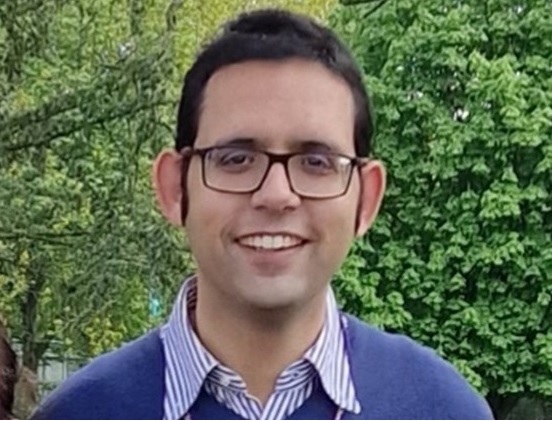
Francesco Crea, Open University: Animal and Human Health
I am Professor of Pharmacology in the School of Life Health and Chemical Sciences at the Open University. More information on my research can be found here: Professor Francesco Crea | OU people profiles. I am currently Director of Research in the School until July 2025, supporting researchers in different areas including research grants, research engagement, PhD supervision, research collaborations and REF.
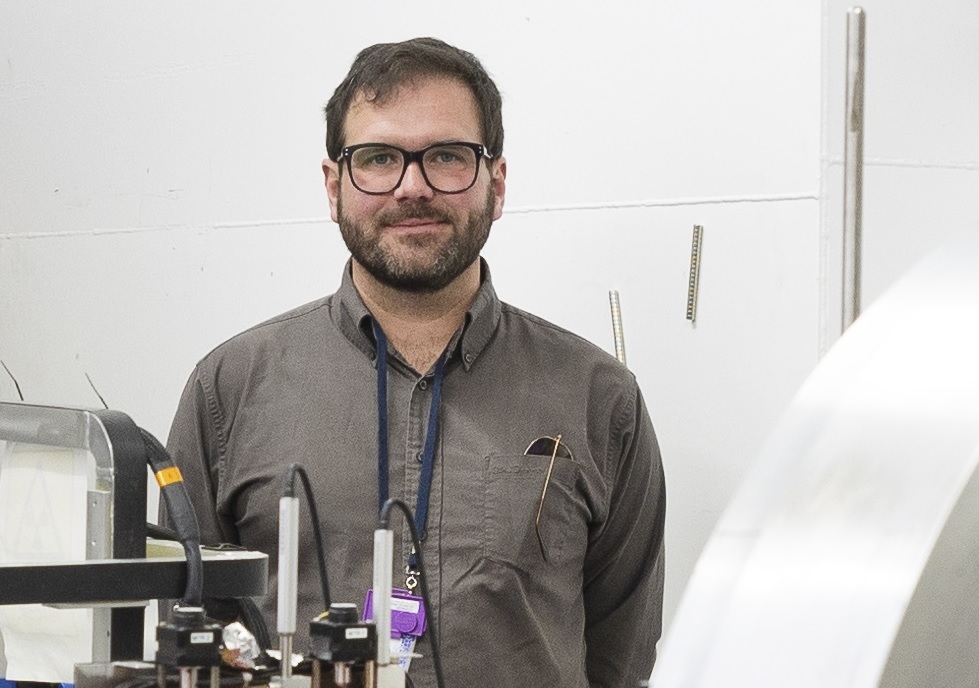
Luke Clifton, ISIS Neutron and Muon Source: Transformative Technologies
I am a UKRI individual merit fellow undertaking and supporting structural studies on membrane biochemical events at the ISIS Pulsed Neutron and Muon Source, Rutherford Appleton Laboratory. I undertook my PhD in the area of biophysical chemistry at the University of Reading. After completing this in 2008 I began working at ISIS, developing its biology programme. As an instrument scientist at ISIS I developed a series of model membrane systems which allow users of the facility to gain a precision structural understanding of membrane biochemical events and he supports a programme of applied research in this area. As a UKRI individual merit fellow I continue to develop the applications of neutron scattering to structural studies of biological membranes.
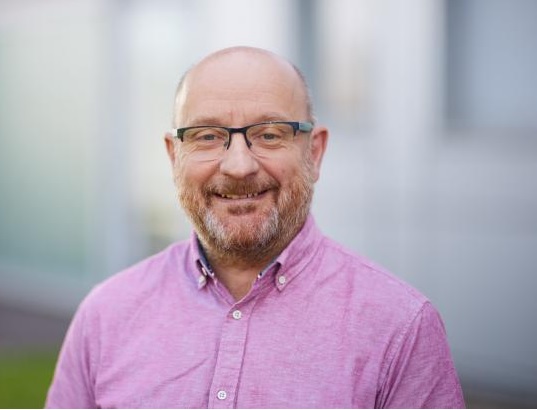
Martin Walsh: Diamond Light Source
I am Deputy Director of Life Sciences and Science Group Leader for Biological Cryo-Imaging at Diamond Light Source as well as a visiting research fellow at the Division of Structural Biology within the Nuffield Department of Clinical Medicine at the University of Oxford.
Our research is using a targeted structural and functional approach using primarily cryoEM and macromolecular crystallography to understanding at the molecular level bacterial pathogenesis. We have focused our efforts in the main part on bacterial respiratory pathogens that continue to pose a significant health risk to the very young and elderly.
Administrative Staff

Victoria Forth, Programme Manager, University of Oxford, ilesla-manager@dtc.ox.ac.uk
I have worked in Graduate Administration since 2010 and have managed the NERC DTP in Environmental Research since its inception in 2013. I feel privileged to support some of the PhD students who are going to save the planet, and have a deep commitment to fostering diversity and inclusivity.
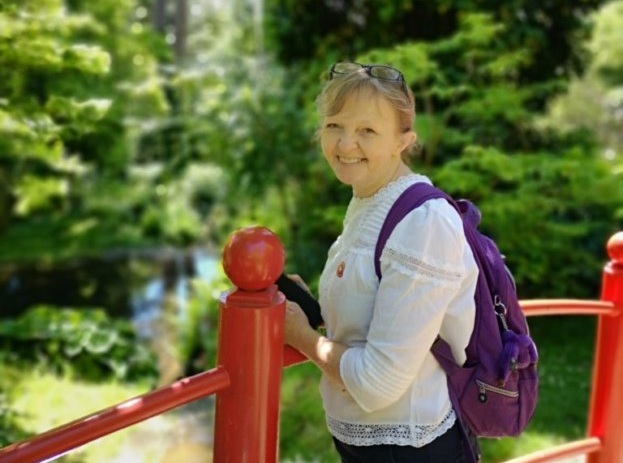
Judith Bishop, Programme Administrator, University of Oxford ilesla-administrator@dtc.ox.ac.uk
I have been the Programme Administrator for the Interdisciplinary Bioscience DTP since 2020, and I am extremely proud to support the students who do such marvellous research. ILESLA is a fabulous programme and I am excited to be part of it.
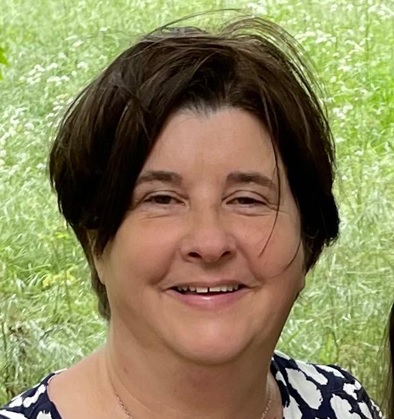
Lorraine Williams, Programme Administrator, Oxford Brookes University ldwilliams@brookes.ac.uk
I have worked in research facilitation for many years and have been a Research Manager in the Faculty of Health, Science and Technology since 2018. In this role I lead a team supporting all areas of research including research students, research grants, research engagement, Faculty input to returns such as REF and visiting researchers.
Sarah Ballstadt, Grants and Studentships Manager, University of Oxford ILESLA-finance@dtc.ox.ac.uk
Since 2010, I have worked in a variety of finance roles across the University and, in July 2026, I joined the DTC as Grants and Studentships Manager for ILESLA, the NERC DTP in Environmental Research, and the Interdisciplinary Bioscience DTP. In this role, I support the financial management of the grants and studentships, helping to ensure the smooth delivery of funding across these programmes
Darsini Raghavan, Research Manager PGR, The Open University research-degrees-management@open.ac.uk